
What Should You Do First: Patio, Fencing, Drainage or Turfing?
When planning a garden makeover, it can be difficult to know where to start. Should the patio go in first? Is fencing more urgent? Should drainage be sorted before turfing?
The correct order matters. Doing landscaping work in the wrong sequence can lead to damaged finishes, repeated labour and unnecessary costs.
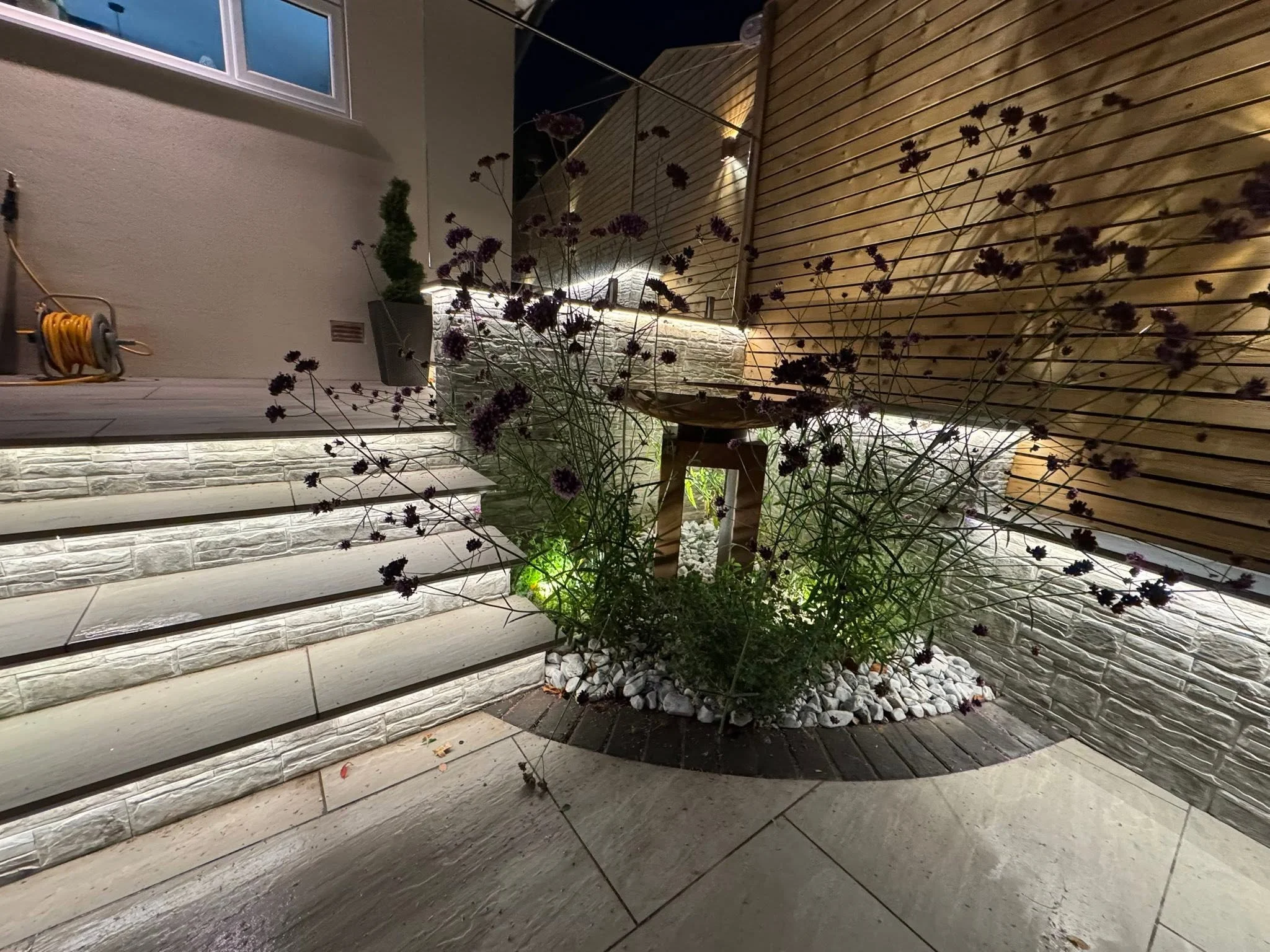
Start with the Overall Garden Plan
Before any work begins, decide how the finished garden should function.
Think about:
Patio size and position
Fencing and boundaries
Lawn areas
Drainage
Paths and access
Planting and raised beds
A complete plan helps make sure each stage supports the next.
1. Fix Drainage Problems First
Drainage should usually be the first priority because it affects everything else.
If the garden is waterlogged or slopes towards the house, installing a new lawn or patio without addressing the cause may lead to further problems.
Drainage work may include:
Regrading the ground
Installing land drains
Adding drainage channels
Improving patio falls
Creating suitable soakaway areas
Correcting low spots
In wet Staffordshire gardens, drainage and ground levels should be assessed before installing surface finishes.
2. Complete Major Groundworks
Once drainage has been planned, the next step is usually excavation and ground preparation.
This may involve:
Removing old paving
Levelling the garden
Excavating patio bases
Moving soil
Preparing retaining walls
Installing underground drainage
Heavy machinery and materials can damage finished lawns and surfaces, so major groundwork should happen early.
3. Install Fencing and Structural Features
Fencing is often completed before patios and lawns, particularly when access is needed along the garden boundary.
Installing fencing early can:
Define the garden layout
Improve privacy and security
Avoid damaging new turf
Make planting and borders easier to plan
Provide a finished backdrop for the landscaping
Retaining walls, steps and raised beds should also be built during this stage.
4. Lay the Patio and Paths
Patios and paths should normally be installed after drainage, levelling and structural work are complete.
This allows the paving to be laid at the correct height and connected properly to:
Doors and steps
Lawn levels
Drainage channels
Paths
Edging and borders
A well-planned patio installation creates a strong foundation for the rest of the garden design.
5. Finish with Turfing and Planting
Turfing is usually one of the final stages.
Installing the lawn last helps protect it from:
Heavy foot traffic
Machinery
Building materials
Soil compaction
Cement and paving dust
Once the hard landscaping is finished, the soil can be prepared properly and the turf laid neatly around patios, paths and borders.
Planting, decorative gravel and final finishing details can then be added.
What Is the Best Landscaping Order?
For most garden projects, the ideal order is:
Design and planning
Drainage and groundworks
Fencing and retaining structures
Patios, paths and steps
Turfing and planting
Final cleaning and finishing
The exact sequence may vary depending on access, garden levels and the scale of the project.
Why Use One Landscaping Team?
Using a single company for the entire project can make the process easier.
A coordinated landscaping team can manage:
Garden design
Drainage
Fencing
Patio installation
Turfing
Retaining walls
Final finishing
This reduces the risk of different trades working at odds or damaging completed work.
Planning a Garden Makeover in Staffordshire?
Getting the order right can save time, protect your investment and produce a better finished garden.
TC Fencing and Landscaping helps homeowners across Stafford and Staffordshire plan and complete full landscaping projects, including patios, fencing, drainage, turfing and garden redesigns.
A clear plan from the start helps every part of the garden work together.